

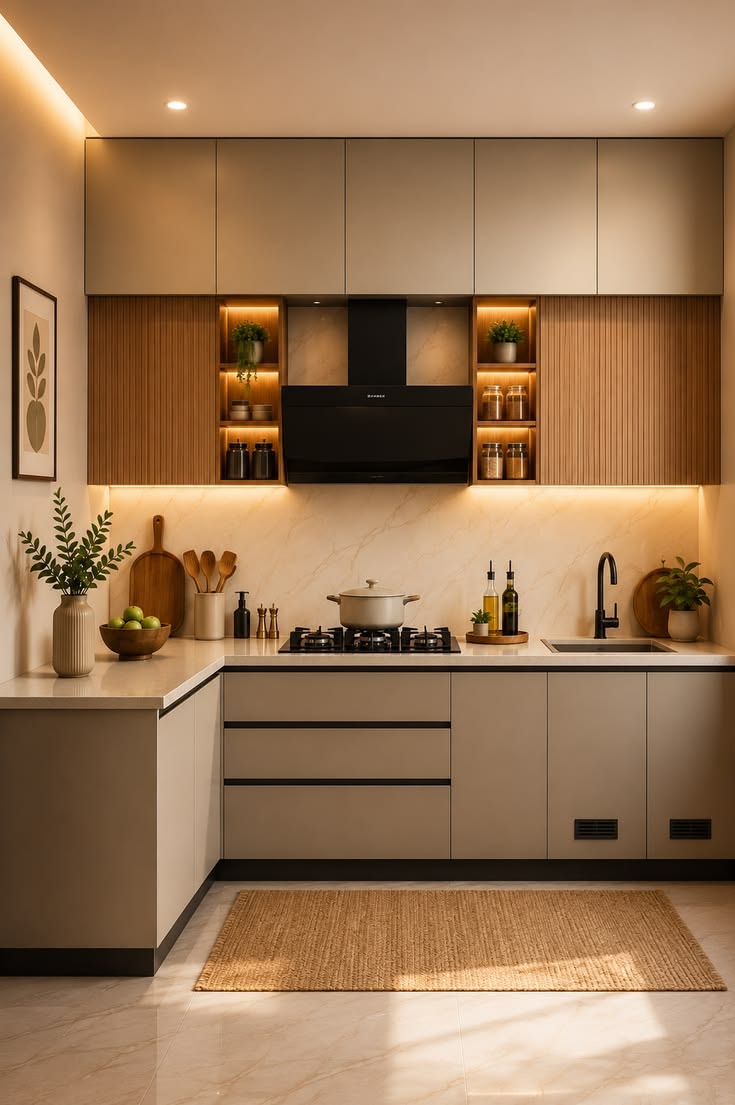
 Kitchen↗
 Wardrobe↗
 Bathroom Vanity↗
 TV Units↗
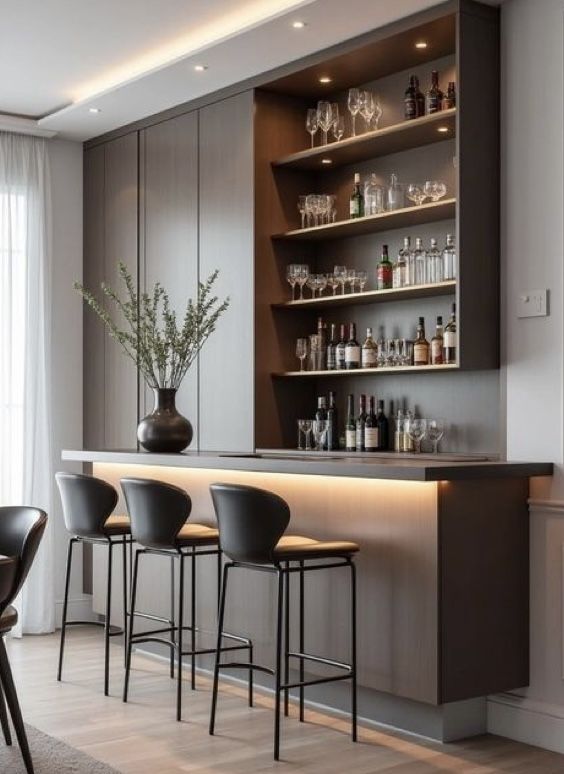 Bar Units↗
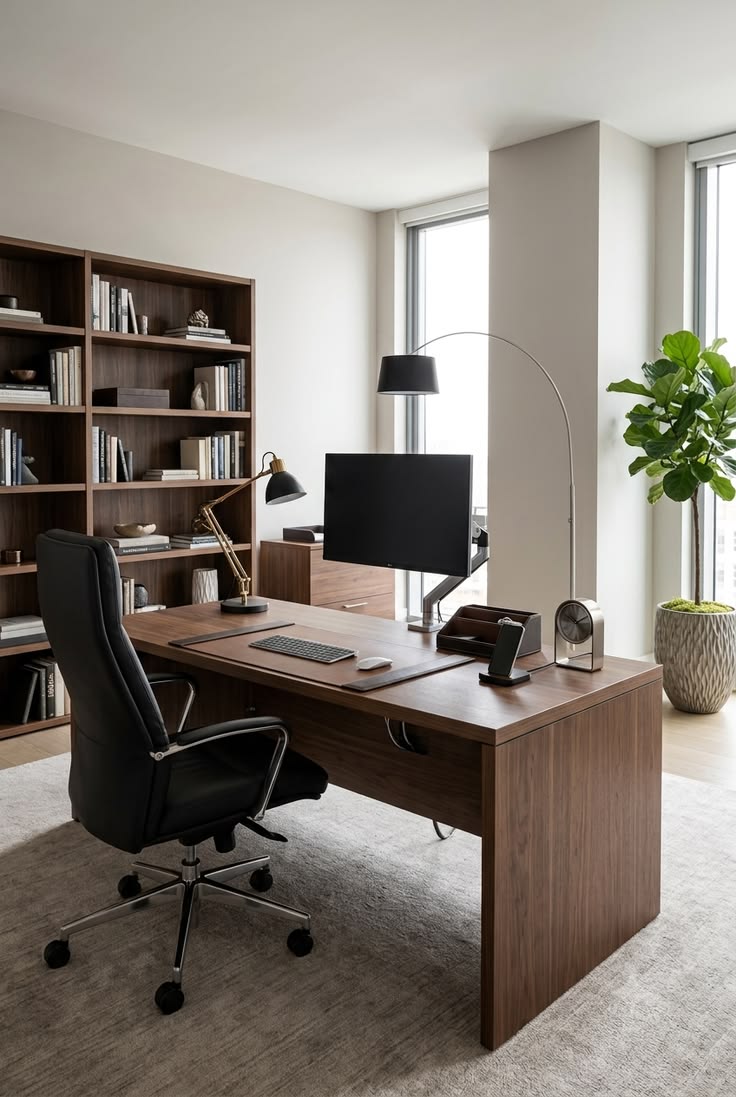 Office Furniture↗
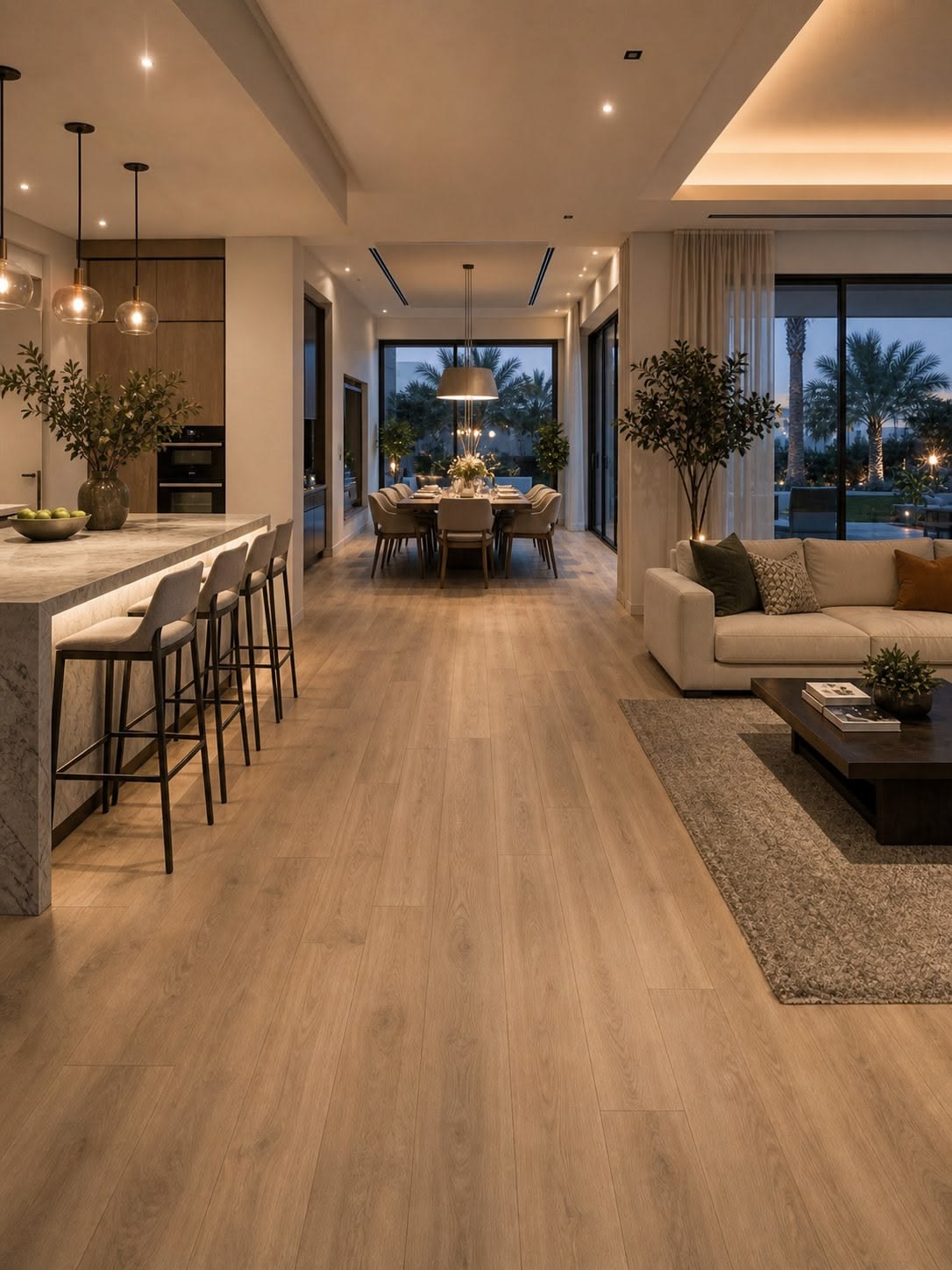 Laminate Wooden Flooring↗
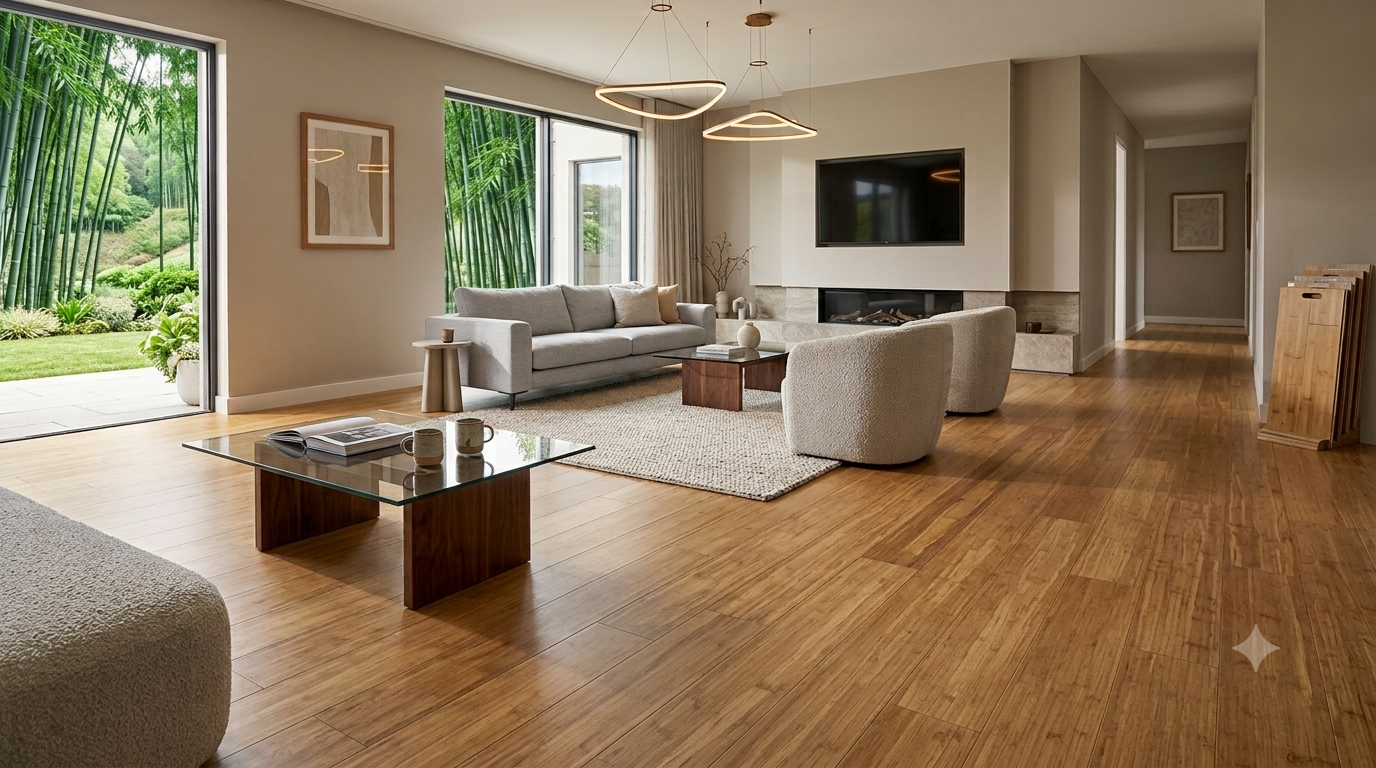 Engineered Wood Flooring↗
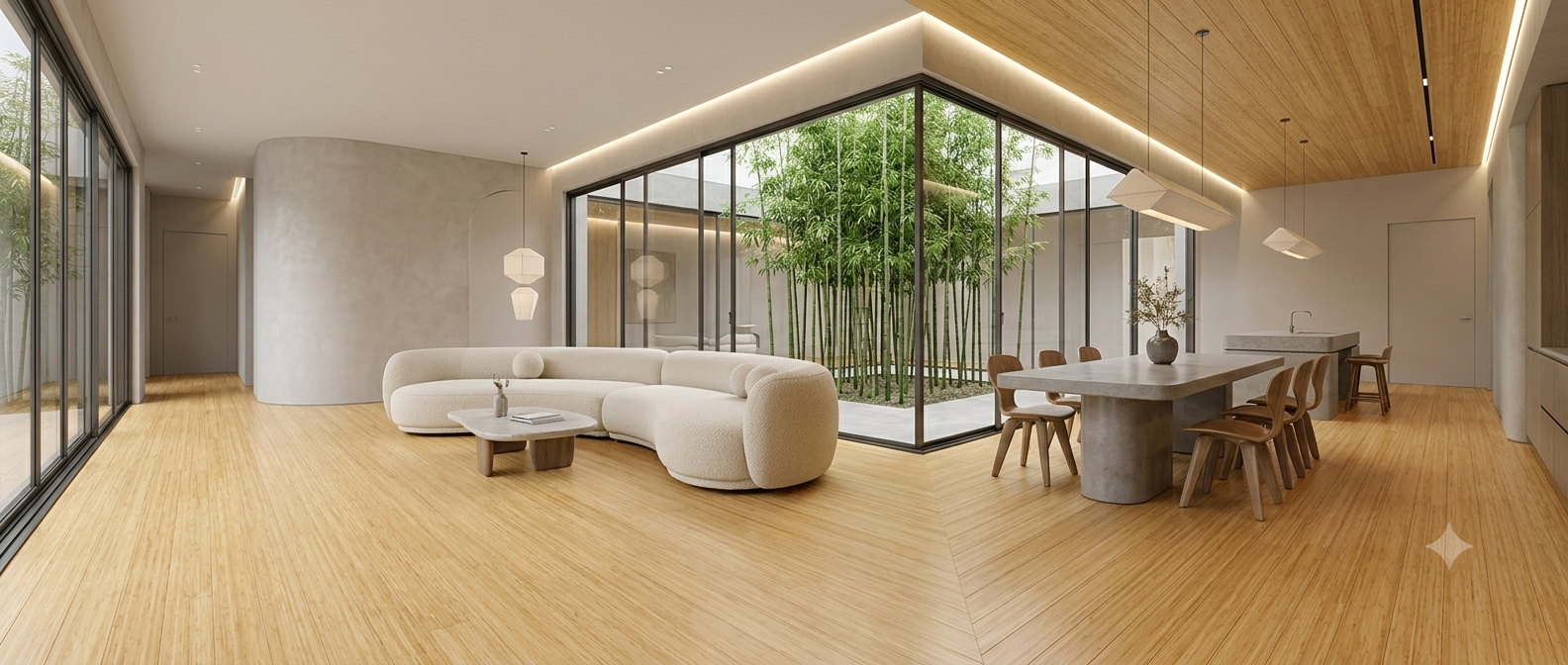 Bamboo Flooring↗
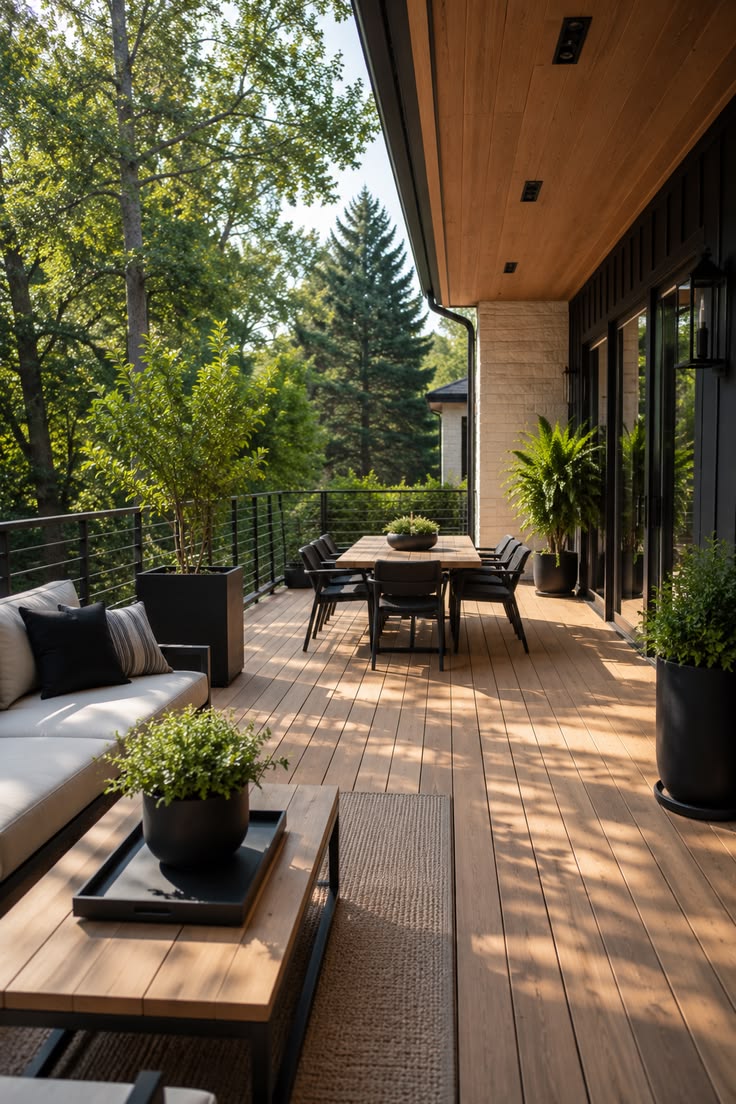 Outdoor Decking↗
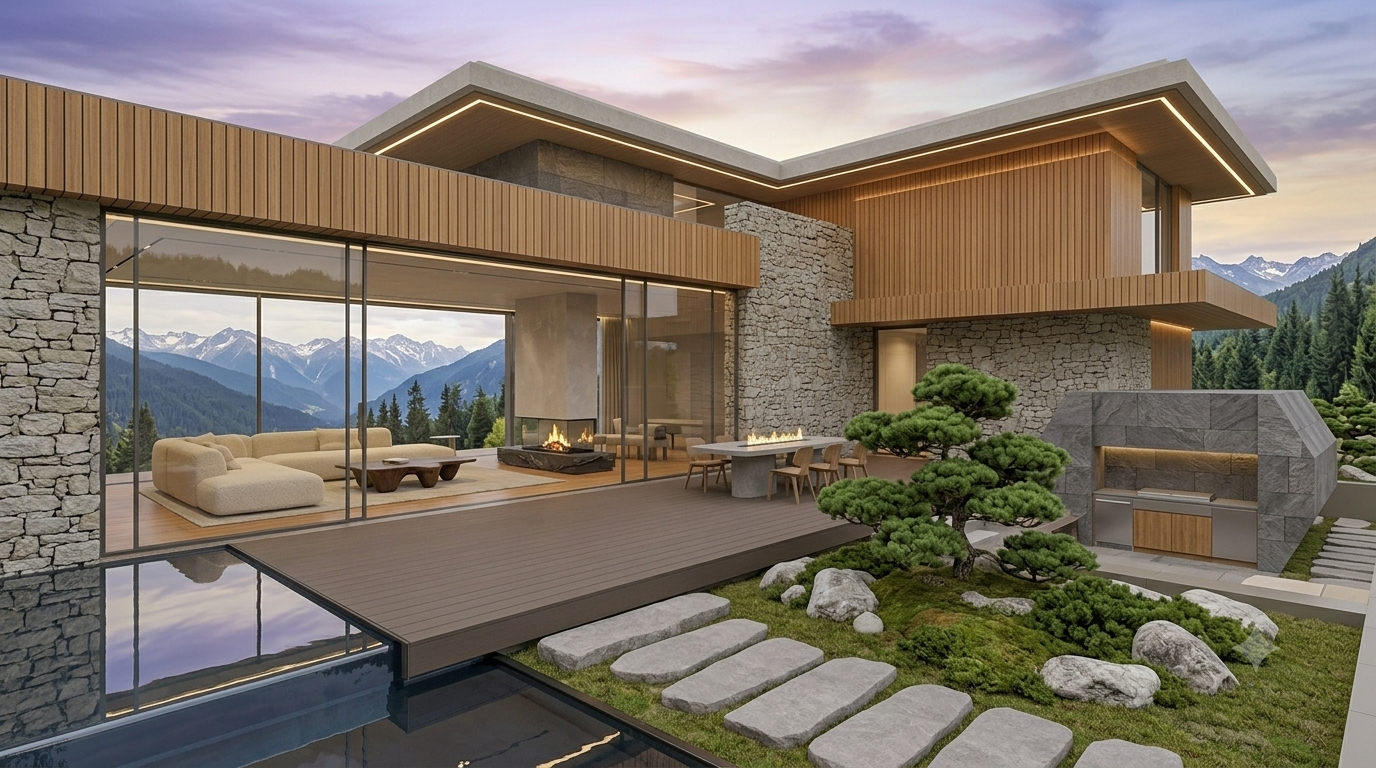 Outdoor Cladding↗
 Wall Panels↗
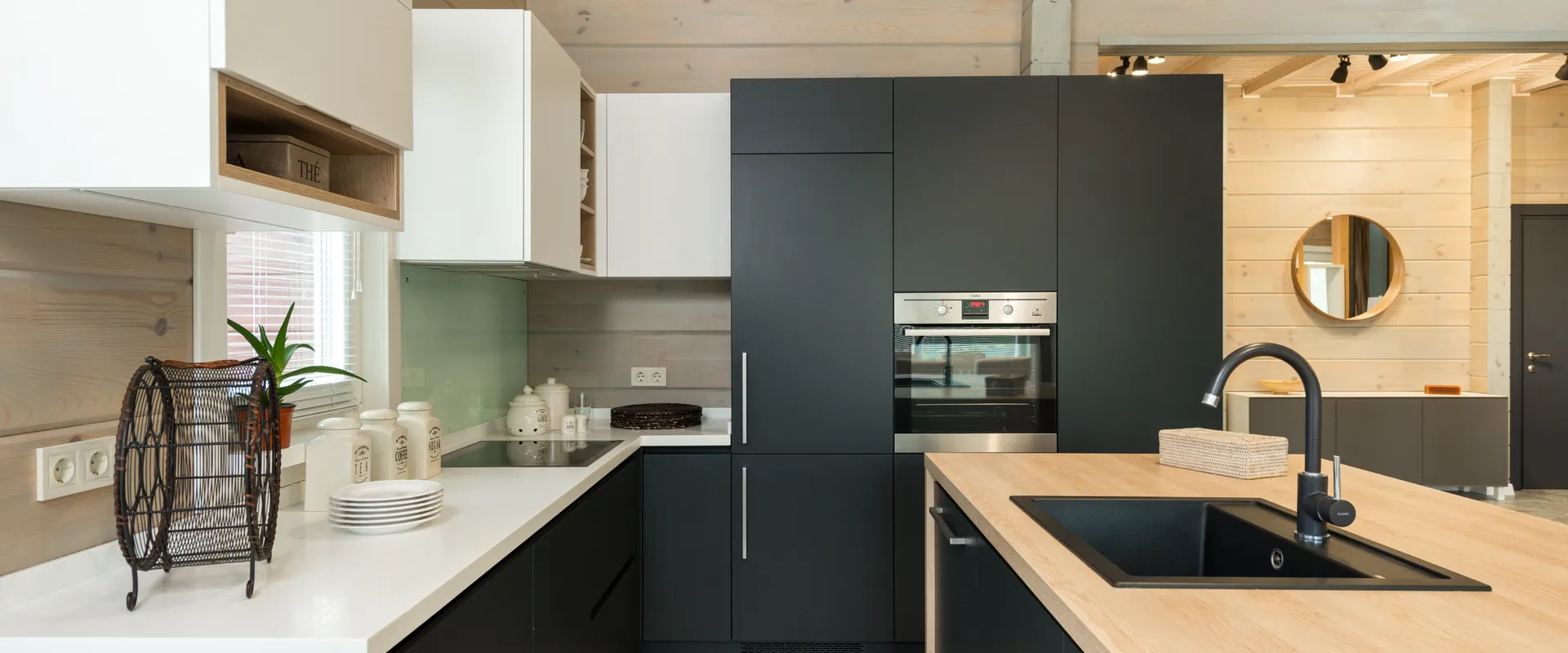
Choosing between a modular kitchen and a traditional kitchen for a home in Delhi depends on how efficiently space can be utilised, along with other factors. A modular kitchen comprises modules that are manufactured in advance for maximum space utilisation and aesthetic appeal, and it is quick to install while keeping the site neat. A traditional kitchen, on the other hand, is built on-site by carpenters using concrete slabs and solid wood framework.
Introduction
A kitchen remodel in Delhi is no longer confined to merely installing a stove and some cabinets. With changes taking place in residential properties within Delhi, ranging from South Delhi apartments to Dwarka high-rises and builder floors in West Delhi, the kitchen space has become the heart of daily living. Today's homeowners juggle busy lifestyles, limited space, and the need for neat interiors.
The most pressing issue when designing your kitchen will be whether to choose a factory-assembled modular kitchen system or a traditionally constructed kitchen built by a skilled carpenter. The traditional approach is steeped in Indian heritage, but the modern system offers better quality, more storage space, and sleek design. This guide covers all the technical details involved in deciding between the two approaches to kitchen construction.
Understanding the Basics: What Defines Each Style?
What is a Modular Kitchen?
A modular kitchen comprises cabinet modules that have been designed and built beforehand in a factory, using engineered wood such as BWR plywood or HDF/HMR board. The modules, which include pull-out modules, tower units, and corner carousels, are produced precisely through mechanised processes and installed directly in your home.
What is a Traditional Kitchen?
A traditional kitchen is completely designed and built at the site by local carpenters (mistris). It usually includes a fixed concrete or granite platform with brick or wooden support columns. The storage cabinets, shutters, and lofts are made by hand using commercial plywood or teak wood.
Key Differences: Modular vs. Traditional Kitchens
To clearly see how these two systems compare, let us look at their structural and operational differences:
| Parameter | Modular Kitchen | Traditional Kitchen |
|---|---|---|
| Manufacturing | Machine-engineered in controlled factory settings | Handcrafted on-site by local carpenters |
| Installation Time | 2 to 7 days on-site assembly | 4 to 8 weeks of active site work |
| Storage Efficiency | Maximum space utilisation via smart hardware (pull-outs, tandem boxes) | Fixed shelf layouts with potential dead corners |
| Flexibility & Portability | Modules can be uninstalled, modified, or relocated | Permanent structure; cannot be moved without demolition |
| Finishes & Edge Banding | Seamless machine edge-banding (PVC, Acrylic, PU, Laminate) | Manual hand-glued tape with visible joints over time |
| Maintenance | Easy to dismantle individual cabinets for cleaning or pipe repair | Requires major carpentry work if internal leakage occurs |
Delhi Housing Trends and Space Efficiency
Good spatial planning is essential in Delhi real estate, particularly in builder floors and mid-size apartments where space is limited.
How Modular Kitchens Make the Most of the Space
The conventional approach relies on fixed wooden shelves, which leads to dark, inaccessible corners and wasted vertical space. The modern urban kitchen, on the other hand, uses specialised fittings:
- Tandem Drawers and Soft-Close Units — Full extension means you can reach heavy brass pots or spice containers stored at the very back.
- Corner Fittings — Magic corners and carousel units turn unused corner areas into working storage space.
- Floor-to-Ceiling Tall Units — Vertical pantries hold bulk items without taking up counter space.
Durability, Weathering, and Maintenance in Delhi's Climate
Delhi faces drastic seasonal variations, ranging from extreme summer heat and monsoon humidity to damp winters. You have to take these environmental stresses into consideration while choosing how your kitchen is built.
Protection Against Moisture and Termites
- Modular Kitchens — Legitimate modular kitchen manufacturers use BWR or BWP grade plywood treated with anti-termite and anti-fungal chemicals for the core structure. The factory edge-banding process seals the edges against steam from pressure cookers and monsoon humidity.
- Traditional Kitchens — Manual edge banding relies on contact adhesives. Over time, heat and steam deteriorate these adhesives, causing chipped edges, swelling of core panels, and termite infestation in untreated wooden framework.
Easy Maintenance and Cleaning
Indian cooking involves frying with hot oil and spices. A modular kitchen has smooth, non-porous surfaces — acrylic, anti-fingerprint matte laminate, or ceramic shutters — that can be cleaned easily with a damp microfibre cloth. Moreover, if a plumbing pipe behind a cabinet fails, the modular unit can be unscrewed and refitted without damaging any masonry.
Which One Fits Your Lifestyle?
Go for a Modular Kitchen if:
- You want a contemporary look with accurate machine work.
- You need to make full use of the storage space in a small or medium-sized flat in Delhi.
- You want a quick, dust-free installation without disruption to your daily schedule.
- You want intelligent hardware like soft-close drawers, pull-out pantries, and cutlery trays.
Go for a Traditional Kitchen if:
- You are constructing an independent bungalow or villa with custom-built masonry structures.
- You want direct, day-to-day supervision of local carpenters at your site.
- You are looking for a quick budget solution using basic fixed shelves.
Conclusion
Choosing between a modular and a conventional kitchen is not just about buying cabinets — it is an investment in how your home works every day. While the conventional kitchen served past generations well, modern life in Delhi demands time savings, high space efficiency, hygiene, and low-maintenance materials.
In this respect, a modular kitchen offers precision engineering, protection from weathering, and an easy installation process. And by working with modular designers who understand regional cooking styles, you can design a functional kitchen that lasts for many years to come.
Frequently Asked Questions (FAQs)
What is the typical lifespan of a modular kitchen compared to a carpenter-made kitchen?
A high-quality modular kitchen manufactured with Marine Grade or BWR plywood and fitted with premium German or Italian hardware lasts between 15 and 20 years with routine care. Traditional carpenter-made kitchens can last a long time structurally, but their surface laminates, unsealed edges, and manual hinges often show noticeable wear, warping, or peeling within 5 to 8 years due to exposure to cooking steam and moisture.
Can a modular kitchen hold heavy Indian cookware like iron kadhais and brass vessels?
Yes, absolutely. Modular kitchens are engineered specifically for heavy load bearing. Standard tandem drawers and pot-and-pan pull-outs are equipped with heavy-duty telescopic runners rated to carry loads between 35 kg and 65 kg per drawer.
How long does it take to manufacture and install a modular kitchen in Delhi?
The entire process usually takes 21 to 30 days. Design finalisation and factory production take up most of this window. However, the actual installation inside your home takes only 3 to 7 days, significantly reducing site noise, dust, and disruption to daily life.
What happens if water leaks behind a modular kitchen cabinet?
Unlike traditional concrete and plywood structures that soak up water and rot, modular units are raised above the floor on adjustable PVC or stainless steel legs concealed behind a removable skirting board (plinth). Furthermore, individual cabinet boxes can be detached easily by a technician to repair wall plumbing without destroying the surrounding cabinetry.
Is it possible to renovate an existing traditional kitchen into a modular kitchen?
Yes. Renovation involves dismantling the old masonry slab, brick counters, and wooden framing. Once the bare walls are tiled and fresh plumbing and electrical points are marked according to the new modular layout, factory-made modules can be installed directly against the walls.
Which core material is best suited for Delhi's weather conditions?
Boiling Water Resistant (BWR) plywood or High-Density High-Moisture Resistant (HDF/HMR) boards are the best options for Delhi homes. They offer excellent dimensional stability against humidity variations and withstand wet cleaning far better than standard commercial MDF or particleboard.
Are modular kitchen components easy to repair or replace if a single drawer breaks?
Yes. Because modular components are manufactured in standardised sizes with standard hardware fittings, replacing a damaged shutter, drawer slide, or hinge is simple. You only need to replace the specific module or fitting without disturbing adjacent cabinets.
How do modular kitchens prevent termite infestations?
Modular materials undergo high-pressure core treatment with anti-termite chemicals during manufacturing. Additionally, sealed factory edge-banding leaves no open wood edges exposed to air or moisture, creating an effective barrier against pests.
Can I uninstall and move my modular kitchen if I relocate to a new apartment?
Yes. One of the main advantages of modular cabinetry is its bolt-together structure. The entire layout can be unfastened, packed, and reassembled in a new home. Minor adjustments or additional fillers may be needed to suit the new wall dimensions.
Which finish is recommended for high-use Delhi kitchens — glossy or matte?
Both finishes have distinct benefits. High-gloss finishes (acrylic or glass) reflect light and make smaller kitchens feel brighter and more spacious. Matte finishes (anti-fingerprint laminates or PU paint) are popular for high-use kitchens because they resist smudges, grease marks, and visible dust, making them very low-maintenance for daily cooking.